
One significant yet often underestimated benefit of utilizing a data collection and analysis service is its ability to enhance risk management practices. Organizations need to recognize the diverse stakeholders involved in their operations, making it essential to perform a comprehensive risk assessment for each transaction. This approach not only uncovers potential risks but also ensures adherence to compliance standards such as ISO 31000. By utilizing risk management software and tools like the Risk Assessment Matrix, businesses can refine their decision-making processes and reduce exposure to both financial and operational risks. This proactive strategy strengthens their risk mitigation strategies and establishes a solid foundation for effective enterprise risk management, ultimately supporting improved crisis management and business continuity planning.
Data Eco offers advanced analysis and research tools that allow you to collect comprehensive information about different companies, empowering you to make informed and confident decisions. By leveraging up-to-date data and performing detailed risk assessments, your organization can strengthen its risk management strategies, leading to more accurate evaluations of risk and reward ratios. This method not only facilitates effective risk analysis but also adheres to recognized standards such as ISO 31000, ensuring that your decision-making processes are both reliable and efficient. Additionally, utilizing risk management software can greatly enhance these processes, optimizing your overall approach to managing financial risks and operational risks while fostering improved crisis management and business continuity planning. Embracing a strong risk culture and effective risk governance will further support your organization’s objectives.
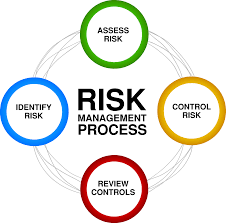
Risk management is an essential part of business
For any company in the UK to thrive, it is essential to identify and comprehend the various risks that could affect their operations. By recognizing these risks and assessing their potential impacts, businesses can create effective risk management strategies. A common misconception among struggling companies is the belief that their suppliers will always be reliable. However, when circumstances shift and a supplier fails to deliver critical products or services, the consequences can be severe. Conducting a thorough risk assessment with tools such as a risk assessment matrix, SWOT analysis, and FMEA allows organizations to prepare for these challenges while adhering to compliance standards like ISO 31000. Furthermore, utilizing risk management software can enhance data analysis and improve decision-making across various sectors, including financial institutions, enabling them to better manage financial risks and operational uncertainties. Engaging stakeholders in this process is vital for effective business continuity planning and crisis management, fostering a strong risk culture and governance framework that aligns with the organization’s risk appetite and tolerance.
Having a backup plan is vital for recovering business resources and ensuring seamless operations. In the realm of risk management, this means identifying potential risks and creating effective strategies for risk mitigation. Utilizing risk management software can significantly simplify this process. By embracing frameworks like ISO 31000, organizations can improve their risk assessment practices. A comprehensive risk assessment, which may include tools such as the Risk Assessment Matrix, SWOT analysis, and FMEA, enables businesses to effectively address unforeseen challenges. Ultimately, a strong backup plan is essential for maintaining business continuity and adhering to regulatory compliance standards, particularly when managing financial and operational risks. Additionally, fostering a positive risk culture and engaging stakeholders in risk governance can further enhance an organization’s resilience.
Cashflow in business
In many industries, the flow of cash between businesses is vital, especially when projects involve long payment cycles. Smaller companies often depend on larger firms for financial support, a trend particularly evident in the construction industry, where major corporations collaborate with specialized small businesses to complete projects. These larger entities usually control access to critical funding and investors, making smaller firms reliant on them for prompt payments. Understanding these financial dynamics is crucial for effective risk management, highlighting the importance of risk assessment techniques such as SWOT analysis and FMEA. Utilizing risk management software can help businesses navigate these complexities while ensuring adherence to compliance standards like ISO 31000, which ultimately aids in mitigating financial risks. Additionally, a well-structured risk assessment matrix can enhance decision-making processes, allowing stakeholders to manage operational risks more effectively and strengthen business continuity planning.
Food businesses, including local restaurants and mobile vendors, must prioritize effective risk management to thrive in a competitive environment. Delays in employee wages can lead to financial challenges that negatively impact food purchases and overall operations. A comprehensive understanding of risk assessment is essential for these businesses to maintain financial stability and adhere to industry compliance standards. Utilizing risk management software can help identify potential risks and develop robust risk mitigation strategies. By implementing frameworks like ISO 31000, businesses can enhance their risk management practices, increasing their resilience and competitiveness. Additionally, employing tools such as a Risk Assessment Matrix and advanced data analysis tools can significantly strengthen their ability to manage financial risks, operational risks, and compliance issues. This proactive approach allows them to navigate uncertainties effectively and safeguard their operations. Establishing strong risk governance and cultivating a positive risk culture within the organization are vital for achieving long-term success and ensuring effective business continuity planning.
Data Eco employs a distinctive blend of social, business, and legal data sources to provide a thorough understanding of a company’s overall health. This approach helps identify early warning signs that may signal potential challenges or risks related to financial obligations. Our analysis goes beyond current events; we utilize machine learning algorithms to analyze historical data from past companies, uncovering the root causes of their failures. This vital insight transforms into actionable information that can greatly improve your risk management strategies, enabling you to effectively address financial uncertainties. By integrating tools like a risk assessment matrix and adhering to compliance standards such as ISO 31000, you can enhance your risk analysis and decision-making processes, thereby reinforcing your enterprise risk management and regulatory compliance efforts. Additionally, engaging stakeholders in this process can further strengthen your business continuity planning and crisis management initiatives, promoting a resilient risk culture within your organization.
Proactive measures are crucial for businesses seeking to reduce the likelihood of potential failures. This strategy is fundamental in risk management, where comprehending financial uncertainties and performing comprehensive risk assessments are key components. Utilizing risk management software can simplify this process, enabling organizations to prepare more effectively for various challenges. Implementing frameworks such as ISO 31000 can enhance a company’s capability to manage risks in a structured manner, leading to improved decision-making and greater resilience against unexpected events. Additionally, employing a Risk Assessment Matrix along with risk analysis tools can significantly boost the effectiveness of risk mitigation strategies, addressing operational, compliance, and financial risks while considering the perspectives of all stakeholders involved. By embracing these practices, businesses can cultivate a strong risk management culture that promotes sustainable success.
You will gain valuable insights into the strengths and weaknesses of each company, which will help you identify the products and services to pursue or avoid. Understanding these factors is essential for effective risk management, as it guides your decision-making and ensures adherence to compliance standards like ISO 31000. By employing tools such as SWOT analysis and a risk assessment matrix, you can improve your risk assessment process, leading to more informed choices that enhance your overall risk management strategy. Additionally, using risk management software can simplify this process, allowing you to address operational and financial risks more efficiently while reinforcing your enterprise risk management efforts. This comprehensive approach not only aids in crisis management but also aligns with best practices in business continuity planning and risk mitigation, promoting a strong risk culture within your organization.
Recognizing the significance of effective Risk Management is vital for any organization. Staying aware of potential risks is essential, which requires conducting comprehensive risk assessments to pinpoint financial risks and operational risks that may affect your business. Implementing robust risk mitigation strategies is crucial to reduce these threats. Utilizing established frameworks like ISO 31000 can enhance your enterprise risk management initiatives. Additionally, using tools such as a Risk Assessment Matrix can improve your capacity to analyze data and prioritize risks efficiently. By emphasizing crisis management and business continuity planning, you can ensure your organization is well-equipped to tackle unexpected challenges. Involving stakeholders in the risk management process further enriches your strategy, making it more thorough and effective.tapping into our one-of-a-kind services.
Unlimited subscription £49.99
Now only £35
For Limited Period
READY TO DIVE DEEPER?
One subscription, unlimited UK Company search and downloads.
Sign up to a simple membership plan that gives you unlimited access to predefined dashboards allowing for different analysis and views into critical sales and business intelligence.
Related Posts

October 12, 2019
Company Check12 October 2019 Doing a Company Check these days can be a bit of [...]
October 12, 2019

August 19, 2019
UK Company Data Accessing UK Company Data is crucial for informed business decision-making. This valuable information can significantly improve various aspects of your [...]
August 19, 2019

March 18, 2019
Every organization encounters the challenge of effectively managing risk. Fortunately, recent technological advancements have made data science for risk management more accessible and efficient [...]
March 18, 2019

July 15, 2018
Adhering to UK legislation for companies is essential across all industries. This necessitates a comprehensive understanding of compliance regulations, industry standards, and pertinent [...]
July 15, 2018

July 15, 2018
Understanding magistrates court records in the UK is essential for staying informed about legal issues that can significantly affect businesses. Companies frequently encounter [...]
July 15, 2018