Data-driven marketing strategies for B2B business
Grasping your audience’s needs is crucial for crafting effective data-driven marketing strategies for B2B. This discussion will delve into how utilizing pertinent business data from the UK, combined with actionable customer insights, can significantly elevate your marketing initiatives. By employing these B2B marketing tools, companies can achieve precise customer segmentation and enhance their marketing automation processes, leading to improved results. Furthermore, integrating data analytics platforms and predictive analytics can sharpen your strategy, ensuring adherence to data privacy regulations while optimizing lead generation and refining the sales funnel. This method not only increases conversion rates but also facilitates informed decision-making through comprehensive market research and analysis of customer behavior.
This discussion centers on data-driven marketing strategies for B2B, highlighting the importance of insights gained from UK business data. B2B companies encounter distinct challenges in understanding their target audiences, making it crucial to leverage accurate information rather than becoming overwhelmed by excessive customer data. By effectively utilizing relevant UK market data, these businesses can implement impactful data-driven marketing strategies for B2B that enhance customer segmentation and optimize their B2B marketing tools. This method not only boosts lead generation but also refines the sales funnel, all while adhering to data privacy regulations and enhancing the effectiveness of their digital marketing initiatives. Furthermore, employing data analytics platforms and business intelligence tools can strengthen these strategies, facilitating more informed decision-making and providing deeper customer insights through comprehensive customer behavior analysis.
This strategic approach enhances targeting precision by utilizing predictive analytics and business intelligence, leading to more successful campaigns and improved business results. Implementing B2B marketing tools simplifies these processes and provides essential customer insights, which are vital for effective lead generation and refining the sales funnel. By focusing on data-driven marketing strategies for B2B, organizations can elevate their marketing efforts while complying with data privacy regulations, ultimately boosting engagement and conversion rates. Highlighting customer segmentation and leveraging data analytics platforms can further refine these strategies, making them even more effective in a competitive market. Additionally, incorporating A/B testing and content marketing can help optimize campaign performance and better understand customer behavior.
Data insights play a crucial role for B2B companies, similar to their importance for consumer-focused businesses. While consumer brands have often pioneered data-driven marketing strategies, B2B marketers can also gain substantial advantages by adopting these approaches. By harnessing customer insights and employing effective B2B marketing tools, companies can enhance their marketing automation initiatives and utilize predictive analytics for improved decision-making. A comprehensive understanding of business intelligence and effective customer segmentation can significantly boost the success of marketing campaigns in the B2B arena. By integrating these data-driven marketing strategies, businesses not only achieve superior results but also optimize their sales funnel, ultimately driving growth in the competitive B2B market.
At the dusk of 2016, a digital Business Intelligence firm in the U.S., L2 Inc, launched a video onYouTubeshowcasing the founder’s keynote presentation on how to become a successful brand in 2017. The focus of the presentation was on how some of the world’s biggest companies, like Netflix, Amazon, and Facebook, use intelligence and “receptors” to sharpen their competitive edge and add more value to their business.
Listen to Your Audience
A crucial insight from this presentation is the importance of actively listening to your audience’s needs and preferences. By gathering and analyzing relevant data about your customers, you can transform it into valuable business intelligence that informs your strategic decisions. This insightful business intelligence empowers marketing teams to gain a comprehensive understanding of their target audiences, which is essential for developing effective data-driven marketing strategies for B2B. As a result, businesses can enhance their competitiveness in the UK market by leveraging insights from B2B marketing tools, improving customer segmentation, and utilizing predictive analytics, all while adhering to data privacy regulations. Furthermore, the use of marketing automation tools streamlines these processes, ensuring that your strategies remain flexible and responsive to market dynamics. Additionally, incorporating AI and machine learning into your marketing efforts can yield even deeper customer insights, enabling B2B companies to refine their strategies and achieve improved conversion rates.
A thorough understanding of the UK business markets empowers companies to thrive in multiple domains. By adopting data-driven marketing strategies for B2B, organizations can effectively utilize B2B marketing tools to gather vital customer insights. This method improves customer segmentation and integrates business intelligence and predictive analytics, helping businesses better predict market trends. Additionally, employing marketing automation tools simplifies processes, allowing companies to adapt to evolving demands and enhance their overall campaign performance metrics. Embracing these strategies is essential for sustaining a competitive advantage in the B2B landscape.
- To excel in data-driven marketing strategies for B2B, it is vital to develop compelling value propositions that align closely with customer needs. Gaining a thorough understanding of these needs allows B2B companies to leverage customer insights effectively. By integrating B2B marketing tools such as marketing automation and sophisticated data analytics platforms, businesses can enhance their strategies and improve customer segmentation. This approach not only strengthens business intelligence but also ensures that marketing efforts resonate with the target audience, leading to increased lead generation and a more efficient sales funnel. Additionally, adhering to data privacy regulations is essential for building and maintaining customer trust while implementing these strategies. Focusing on performance metrics and optimizing conversion rates can significantly boost the success of your marketing initiatives.
- B2B companies can enhance their messaging to better meet customer needs by implementing data-driven marketing strategies for B2B. By leveraging customer insights and utilizing key B2B marketing tools like marketing automation, businesses can significantly improve their communication efforts. Additionally, incorporating predictive analytics and business intelligence tools allows for more accurate customer segmentation, which helps tailor marketing initiatives to specific audiences. This approach not only increases engagement but also leads to more successful outcomes in B2B marketing campaigns, ultimately optimizing the sales funnel and improving lead generation processes. Focusing on data analytics and digital marketing tools can further reinforce these strategies while ensuring adherence to data privacy regulations.
- To effectively connect with the right prospects, it is crucial to reduce the time spent on unqualified leads. This strategy not only boosts the success of your data-driven marketing strategies for B2B but also enables you to focus your resources on individuals who are more likely to convert. By harnessing customer insights and utilizing advanced B2B marketing tools, you can greatly enhance your targeting capabilities. Moreover, integrating marketing automation and predictive analytics can optimize your outreach, allowing B2B companies to refine their campaigns through business intelligence and detailed customer behavior analysis. This approach ultimately drives lead generation while complying with data privacy regulations, ensuring a responsible and effective digital marketing strategy. Additionally, implementing A/B testing can further enhance your methods, resulting in improved engagement and higher conversion rates.
How data-driven marketing can work for UK SMEs
In the 21stIn today’s competitive environment, leveraging data is crucial for achieving business success. Small and medium-sized B2B companies in the UK need to harness data effectively to enhance customer experiences. Despite having access to extensive data, many struggle to utilize it fully. By implementing data-driven marketing strategies for B2B, these companies can uncover valuable customer insights and refine their marketing efforts. Selecting the right B2B marketing tools and utilizing techniques such as predictive analytics and marketing automation can help businesses improve customer segmentation and make informed decisions that foster growth. Furthermore, a solid understanding of business intelligence tools can significantly support these initiatives, allowing companies to navigate market complexities more efficiently. Embracing these strategies not only ensures compliance with data privacy regulations but also positions B2B firms for long-term success in the dynamic digital marketing landscape.
Data encompasses extensive information that is regularly analyzed to uncover patterns, relationships, and trends, particularly related to human behavior and interactions. In the realm of data-driven marketing strategies for B2B, this analysis plays a vital role in gaining valuable customer insights and enhancing marketing initiatives. By utilizing B2B marketing tools like predictive analytics and marketing automation, companies can harness data to improve customer segmentation and achieve superior outcomes in their sales funnels. This method not only supports effective lead generation but also adheres to data privacy regulations, ensuring responsible management of information. Understanding these elements is crucial for developing impactful digital marketing campaigns that resonate with target audiences.
Big Data significantly influences our daily lives, often in ways we don’t notice, and plays a vital role in transforming business operations. The rapid growth and increasing complexity of data present considerable challenges for traditional management tools, which struggle to effectively store and process this extensive information. For B2B companies, implementing data-driven marketing strategies for B2B is crucial for gaining valuable customer insights. By utilizing advanced B2B marketing tools and marketing automation, businesses can enhance customer segmentation and leverage predictive analytics to fine-tune their marketing initiatives. This approach not only boosts lead generation but also optimizes the sales funnel while ensuring compliance with data privacy regulations and improving campaign performance metrics. By integrating data analytics platforms and business intelligence tools, B2B marketers can make well-informed decisions in a competitive environment, ultimately leading to higher conversion rates and more effective digital marketing strategies.
The New York Stock Exchange generates over a terabyte of new trade data daily. Social media is even more significant, generating over 500 terabytes of new data every single day through photo and video uploads, messages, comments, and more.
Five steps to delivering a data-driven marketing campaign
- Design Data-driven marketing strategies for B2B emphasize the importance of establishing clear marketing objectives, such as boosting customer retention, increasing brand awareness, or meeting specific sales targets. Aligning your marketing initiatives with these business goals is essential for effective prioritization. This alignment ensures that your marketing efforts contribute to your overall business strategy, leading to better results. By utilizing B2B marketing tools and gaining valuable customer insights, you can further enhance your strategies. Implementing techniques like predictive analytics and marketing automation can significantly improve customer segmentation, which is crucial in the competitive B2B landscape. Moreover, leveraging data analytics platforms provides deeper insights into customer behavior, enabling you to optimize your sales funnel and strengthen lead generation efforts. Adopting these data-driven methods will position you favorably in the realms of digital marketing and business intelligence, ensuring compliance with data privacy regulations while maximizing campaign performance metrics.
- Collect the right dataData insight platforms, such as DataEco, are essential for gathering, visualizing, and selecting the right data to achieve your marketing goals. While this process may seem straightforward, the importance of relying on accurate data cannot be overstated. Inaccurate information can lead to misleading insights that jeopardize your marketing strategy. Our expertise can help you make well-informed decisions. By adopting data-driven marketing strategies for B2B, you can gain deeper customer insights and enhance your approach using effective B2B marketing tools, including predictive analytics and marketing automation. This approach will also streamline customer segmentation and allow you to leverage business intelligence, ultimately improving your digital marketing outcomes and conversion rates.
- AnswersAnalyzing data through various methods is essential for developing effective marketing campaigns. Recognizing the importance of thorough analysis is fundamental. By establishing key performance indicators (KPIs), you create benchmarks to measure success. Utilizing a platform that combines artificial intelligence with business intelligence tools allows you to derive valuable insights from market data, significantly enhancing your data-driven marketing strategies for B2B. This method not only improves customer segmentation but also supports informed decision-making, resulting in more effective marketing outcomes. Additionally, leveraging B2B marketing tools can optimize your campaigns and boost engagement with your target audience, ultimately leading to improved lead generation and higher conversion rates. Integrating predictive analytics and marketing automation into your approach further strengthens your initiatives while ensuring adherence to data privacy regulations.
- ChoicesNow is the perfect time to make informed decisions that can advance your business. Take this opportunity to evaluate your findings and insights to develop a strategic plan that aligns with your business objectives. Consider various options—should you refine your value proposition? Are there new growth markets that deserve your attention? Is your brand effectively connecting with your target audience? Which regions should you focus on? While each situation is unique, one fundamental principle remains: all decisions should be based on data-driven marketing strategies for B2B. By leveraging customer insights and sophisticated business intelligence tools, you can make informed choices that enhance your marketing efforts. Prioritizing B2B marketing tools like marketing automation and predictive analytics can significantly strengthen your overall strategy, improve lead generation, and ensure compliance with data privacy regulations. This approach not only optimizes your sales funnel but also increases conversion rates through effective customer behavior analysis and data visualization, ultimately facilitating data-driven decision-making.
- ActionEnhance your data-driven marketing strategies for B2B by making targeted adjustments that can significantly propel business growth. By leveraging effective B2B marketing tools and analyzing vital customer insights, you can create more impactful marketing campaigns. Incorporating marketing automation and predictive analytics deepens your understanding of customer behavior and improves your overall business intelligence. These strategies are essential for B2B companies looking to thrive in a competitive landscape. Embracing these methods promotes informed decision-making and aligns your initiatives with market demands, ultimately optimizing your sales funnel and enhancing lead generation efforts. Additionally, focusing on customer segmentation and utilizing data analytics platforms can further refine your digital marketing strategies.
DataEco helps you make sense of Big UK Data, allowing users to easily collect, model, and visualise relevant data and insights.
B2B companies in the UK, especially those in industries such as financial services and auto parts manufacturing, can greatly enhance their operations by leveraging the analytical tools offered by DataEco. Membership provides businesses with unlimited access to a wide range of datasets that facilitate effective data-driven marketing strategies for B2B. This access enables companies to gather vital customer insights, improve customer segmentation, and seamlessly integrate various B2B marketing tools. By utilizing these resources, B2B organizations can optimize their sales funnels and make informed decisions based on advanced data analytics and business intelligence. Additionally, incorporating predictive analytics can significantly enhance lead generation efforts while ensuring compliance with data privacy regulations, ultimately improving campaign performance metrics. Adopting these data-driven marketing strategies is essential for maintaining a competitive edge in the rapidly changing digital marketing landscape.
DataEco offers essential insights that sales and marketing teams can leverage to improve client engagement. By utilizing real-time data and advanced analytics, businesses can create impactful marketing campaigns that appeal to both new and existing customers. These data-driven marketing strategies for B2B enhance customer segmentation and enable teams to make informed decisions, leading to improved results. Additionally, integrating B2B marketing tools and marketing automation can further refine these strategies, allowing companies to effectively harness customer insights and predictive analytics for optimal campaign performance. This method not only streamlines operations but also enhances overall business intelligence, aiding in the navigation of the sales funnel and boosting lead generation efforts. Implementing these strategies also ensures compliance with data privacy regulations while maximizing the effectiveness of digital marketing initiatives. Find out how we harvest data
To enhance data-driven marketing strategies for B2B campaigns, it is crucial to utilize advanced B2B marketing tools that offer valuable insights into customer behavior. By employing business intelligence and predictive analytics, companies can achieve a comprehensive understanding of customer segmentation, enabling them to tailor their marketing initiatives more effectively. Furthermore, integrating marketing automation tools can improve operational efficiency and elevate overall campaign performance. By concentrating on these essential elements, B2B organizations can develop more effective marketing strategies that engage their target audience and facilitate lead generation. This method not only complies with data privacy regulations but also leverages data analytics to optimize the sales funnel and improve performance metrics, ultimately reinforcing successful digital marketing strategies.
Businesses frequently use DataEco to efficiently gather, analyze, and visualize data. This platform seamlessly integrates with popular B2B marketing tools, such as Salesforce and various CRM systems, enabling companies to connect more effectively with their target audiences. By adopting data-driven marketing strategies for B2B, organizations can greatly enhance their understanding of customer behavior and improve their marketing automation efforts. This method allows B2B companies to make informed decisions based on market research and predictive analytics, resulting in better customer segmentation and enhanced business intelligence. Additionally, utilizing data analytics platforms can strengthen lead generation initiatives while ensuring adherence to data privacy regulations.
Unlimited subscription £49.99
Now only £35
For Limited Period
READY TO DIVE DEEPER?
One subscription, unlimited UK Company search and downloads.
Sign up to a simple membership plan that gives you unlimited access to predefined dashboards allowing for different analysis and views into critical sales and business intelligence.
Related Posts

February 19, 2024
Check Company Ownership insights with DataEco With recentnews of tighter legislation being passed through the houseMany individuals frequently seek information about company ownership [...]
February 19, 2024

September 6, 2021
Analyze a company's competitors using DataEco. So how do you rank? Over the past year, numerous companies have prioritized survival, frequently neglecting the significant external [...]
September 6, 2021

May 19, 2021
Companies House Check with DataEco So what is the importance of Companies House? Companies House serves as the official [...]
May 19, 2021

December 8, 2020
Ltd Company Check with DataEco So why do we have Limited companies and what is the difference? A ‘Ltd’ or ‘Limited’ company is [...]
December 8, 2020

November 30, 2020
To check a UK company name, it's essential to confirm that the name you are considering complies with the standards for UK business [...]
November 30, 2020
November 18, 2020
UK Company Search Performing a UK Company Search depends significantly on the tools available and how well the data is organized for easy [...]
November 18, 2020

November 16, 2020
B2B Data Providers UK B2B data providers in the UK have existed in various forms for many years. In the past, marketing teams [...]
November 16, 2020

November 12, 2020
UK Economy Bounces Back Recent observations show that the UK economy is progressing significantly towards recovery. This encouraging trend highlights a resurgence across [...]
November 12, 2020

October 29, 2020
UK Companies and Industries at Risk This year has presented significant challenges, leading to uncertainty regarding which UK companies are at risk of [...]
October 29, 2020
May 14, 2020
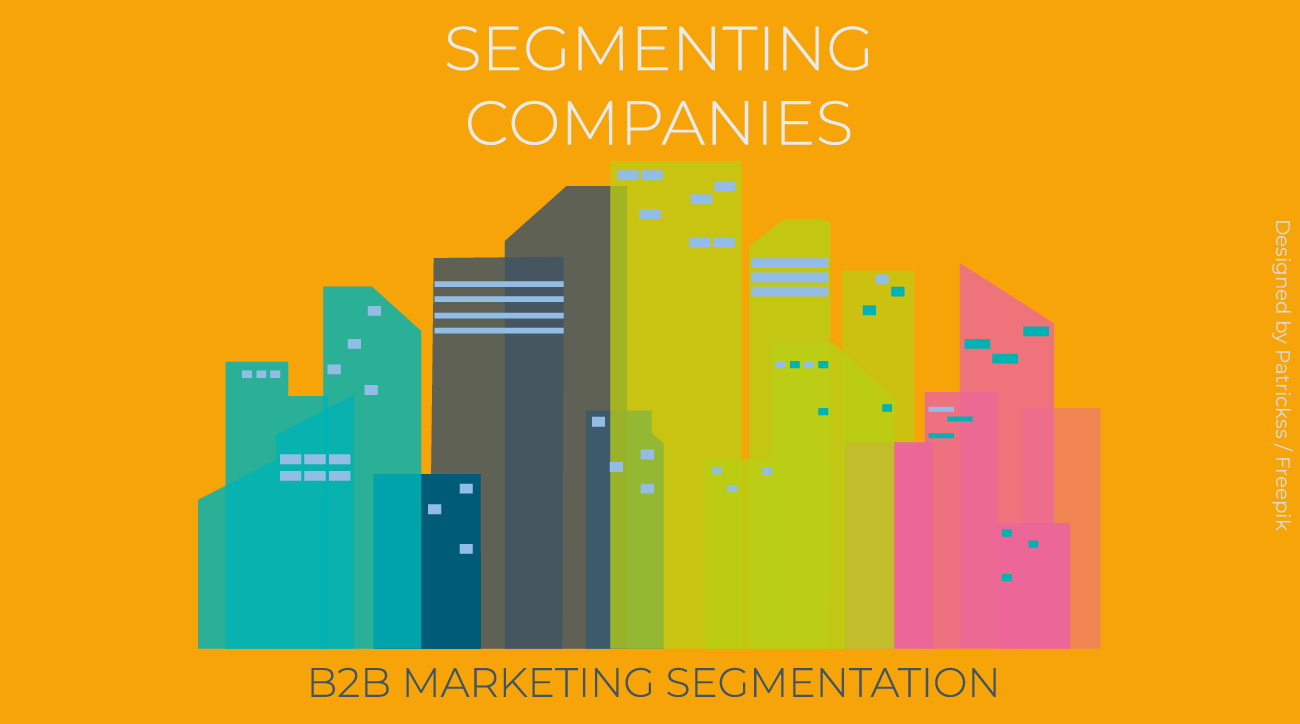
Segmentation of UK businesses An online search reveals a wealth of articles on marketing segmentation, yet there is a significant gap in information [...]
May 14, 2020