Data-Driven Sales
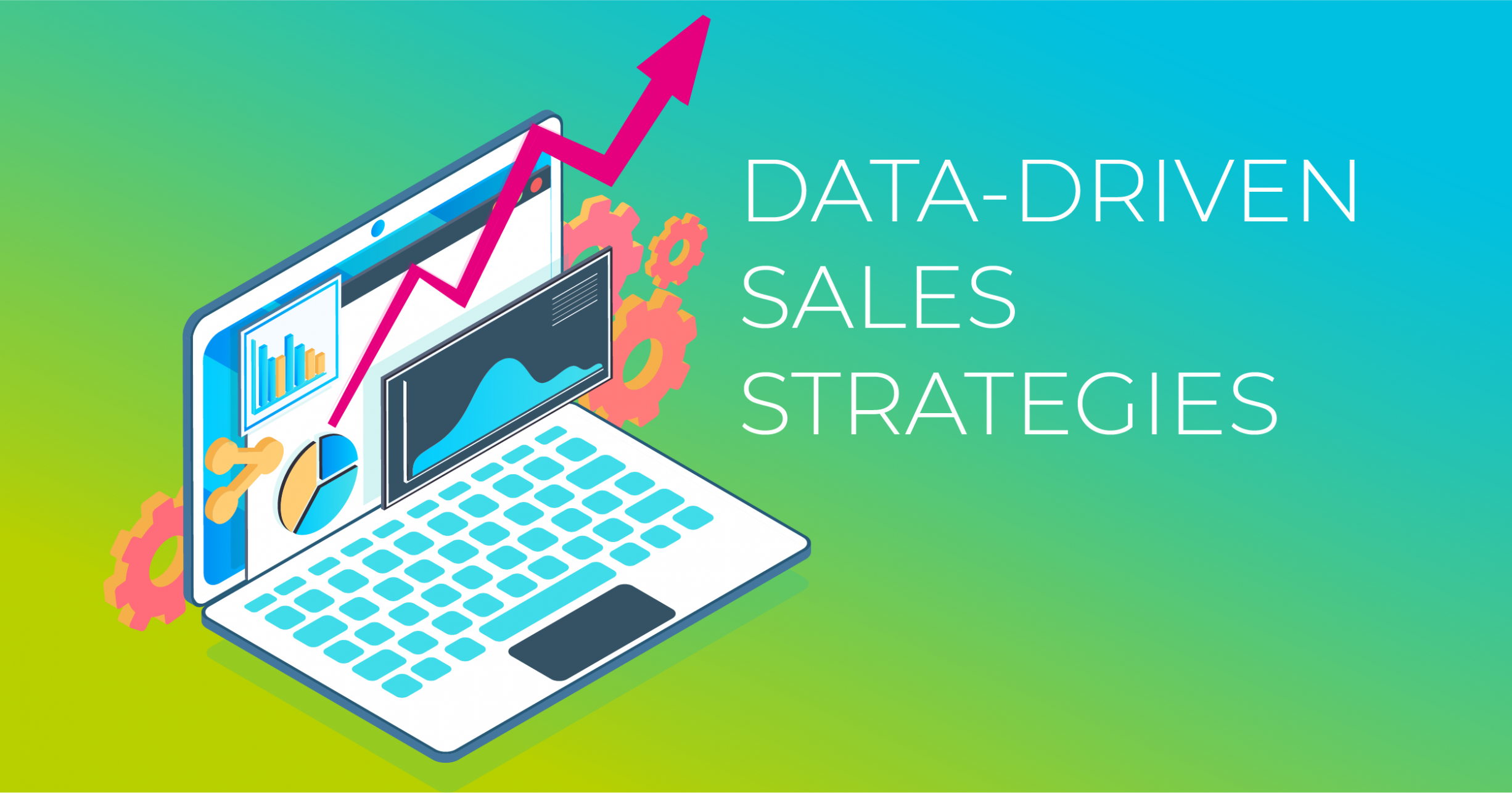
In today’s competitive environment, businesses need to effectively leverage data to refine their strategies and develop successful sales techniques. Data-driven sales are crucial for achieving sales success. Gaining deeper insights into target audiences provides a significant edge in crafting effective sales strategies. By utilizing data analytics tools and implementing customer segmentation, companies can enhance their market intelligence and improve sales forecasting, leading to better results in B2B sales. Embracing big data and staying updated on emerging trends can further bolster these efforts, allowing businesses to adapt and thrive in a rapidly changing market. This approach not only fosters data-driven decision-making but also improves overall sales performance metrics, driving growth and enhancing operational efficiency. Additionally, integrating predictive analytics and sales automation can optimize sales processes and strengthen customer relationship management (CRM), ultimately leading to more effective customer insights and improved business intelligence.
A data-driven sales strategy greatly improves a business’s overall effectiveness by utilizing advanced analytics. By harnessing big data, companies can uncover vital insights into their target audiences, enabling precise customer segmentation and reliable sales forecasting. This contemporary, data-focused approach not only enhances decision-making but also allows businesses to refine their B2B sales techniques, helping them capitalize on market opportunities more efficiently than traditional methods. Additionally, integrating customer relationship management (CRM) systems with data analytics tools streamlines operations, boosts business intelligence, and offers a competitive advantage in recognizing emerging trends and customer behaviors. Ultimately, this holistic approach leads to more targeted marketing efforts and better sales performance metrics, promoting operational efficiency and richer customer insights.
The rise of big data and advanced intelligence systems is poised to significantly transform the business environment in the near future. To effectively leverage these innovations, it is essential to grasp the core principles of data-driven sales. Companies need to understand how data analytics tools can enhance customer insights, optimize customer segmentation, and improve sales forecasting to maintain a competitive edge in B2B sales. By adopting these technologies, organizations can create more effective sales strategies and utilize market intelligence to foster growth and enhance sales performance metrics. Embracing data-driven decision-making will ultimately empower businesses to make informed choices and streamline their sales processes, ensuring success in an increasingly data-centric landscape.
Why is data so important?
If you run a small to medium-sized business in a particular niche, you might be curious about how big data can improve your operations. This growing trend offers valuable insights that can greatly enhance your data-driven sales strategies. By leveraging data analytics tools, you can obtain deeper insights into customer behavior, refine your sales forecasting, and boost your overall sales performance metrics. As more businesses recognize the benefits of big data, it is essential to grasp its impact on crafting effective B2B sales strategies and enhancing market intelligence. Adopting data-driven decision-making can lead to better sales automation and customer segmentation, ultimately fostering your business’s growth. Understanding these elements can help you stay competitive in today’s data-driven landscape.
Big data is essential for improving your business by providing quick and thorough access to valuable market intelligence in the UK. This extensive information enhances your decision-making abilities, enabling you to create targeted marketing and data-driven sales strategies. By utilizing customer relationship management (CRM) systems in conjunction with data analytics tools, you can optimize customer segmentation and improve your sales forecasting, which leads to more effective B2B sales techniques. Furthermore, these insights allow you to recognize emerging trends and customer preferences, helping you to adapt your strategies and align your sales efforts with current market demands. This integration not only strengthens your competitive edge but also boosts overall business intelligence, fostering sustained growth and success in your sales performance metrics. Adopting data-driven decision-making is crucial for successfully navigating the complexities of today’s market environment.
Companies that leverage big data and data-driven sales strategies are experiencing accelerated growth compared to those that stick to traditional methods. This rapid progress is primarily due to their effective utilization of data analytics tools, which enable precise sales forecasting and help them capitalize on emerging market trends. By implementing advanced customer segmentation techniques and integrating comprehensive customer relationship management (CRM) systems, these businesses can tailor their value propositions to closely match customer insights and preferences. This strategic method not only strengthens their competitive advantage but also cultivates deeper relationships with clients in the B2B sales arena, promoting sustained growth and success in a data-driven marketplace. As more organizations adopt these innovative practices, they become increasingly agile in responding to shifting market dynamics and are better equipped to meet the evolving demands of their customers, thereby reinforcing their position in the industry.
Leveraging data enables businesses to significantly minimize uncertainty in their sales and marketing strategies. Data-driven sales techniques propel companies into a new era of targeted product development and innovation, ultimately strengthening customer relationships. This method enhances customer insights by utilizing big data and data analytics tools to improve customer segmentation and refine sales forecasting. Consequently, businesses can make informed decisions that align with emerging trends and market intelligence, resulting in better B2B sales performance. By concentrating on sales performance metrics and predictive analytics, organizations can further enhance their sales automation strategies, fostering data-driven decision-making and boosting overall business intelligence. This dedication to data-driven sales not only improves customer engagement but also supports effective marketing automation and robust data governance practices.
Which companies use data-driven sales
Grasping the importance of data-driven sales is essential for contemporary businesses, as it highlights how organizations can leverage big data effectively. Many entrepreneurs often underestimate the critical role that data analytics tools and customer relationship management (CRM) systems play in their operations, mistakenly thinking this technology is only applicable to certain sectors like technology and manufacturing. In truth, data analytics provides valuable insights into customer behavior, allowing businesses to refine their sales techniques across various industries. Adopting data-driven sales practices is vital for gaining a competitive advantage in today’s marketplace, as it enhances sales forecasting, facilitates precise customer segmentation, and boosts sales performance metrics. By integrating these strategies, businesses not only promote data-driven decision-making but also improve sales automation and business intelligence, ultimately driving growth in B2B sales. Understanding these concepts empowers organizations to tackle the challenges of data-driven sales and effectively utilize market intelligence for long-term success.
B2B companies in the UK, including startups, can harness big data to improve their sales and marketing strategies. By adopting data-driven sales techniques, businesses gain valuable insights into customer behavior, enhance customer segmentation, and refine their sales forecasting processes. This method not only aids in identifying emerging trends but also strengthens overall business intelligence. By utilizing data analytics tools and customer relationship management (CRM) systems, companies can significantly boost their sales performance metrics and market intelligence, enabling them to adapt and succeed in a competitive environment. Embracing data-driven decision-making and sales automation further empowers these businesses to effectively reach their objectives and optimize their sales processes.
Data-driven sales strategies can be effectively utilized on startup websites by employing AI bots that collect and analyze customer data. These advanced tools harness big data to provide deeper customer insights, allowing businesses to refine their sales techniques. By incorporating data analytics tools and customer relationship management (CRM) systems, startups can enhance customer segmentation and strengthen their sales forecasting abilities. This method not only improves market intelligence but also aligns with current trends in B2B sales, enabling companies to make informed decisions and drive growth. Embracing data-driven decision-making and sales automation can greatly enhance sales performance metrics and lead to overall business success.
Cloud sharing systems provide substantial benefits for medium to large businesses that rely on the rapid and accurate exchange of data. Organizations across various industries, including healthcare, hospitality, shipping, and retail, leverage big data to enhance operational efficiency and improve customer service. By employing data analytics tools, these companies gain essential insights into customer behavior, which are crucial for crafting effective B2B sales strategies and succeeding in data-driven sales. Additionally, integrating predictive analytics with customer relationship management (CRM) systems refines customer segmentation and allows for more precise sales forecasting, ultimately boosting sales performance metrics. Adopting these technologies fosters data-driven decision-making and streamlines sales processes, leading to improved business outcomes and richer customer insights. This strategy not only enhances market intelligence but also equips businesses to respond to emerging trends in data-driven sales.
Big data plays a crucial role in enhancing data-driven sales and fostering business growth. By utilizing data analytics tools, organizations can obtain valuable insights into customer behavior that shape their sales strategies. This shift not only enhances customer segmentation but also improves sales forecasting and market intelligence, ultimately elevating B2B sales performance. Embracing data-driven decision-making and incorporating sales automation can further optimize these processes, resulting in more effective sales outcomes. Highlighting the significance of data quality and employing predictive analytics are also vital for assessing success in data-driven sales.
How data can transform sales
Effective customer acquisition relies on a business’s thorough understanding of its target audience and its ability to adjust strategies for greater relevance and operational efficiency. Embracing a data-driven sales approach can significantly improve this process. By leveraging data analytics tools, businesses can gain essential customer insights, optimize customer segmentation, and enhance sales forecasting. This data-centric model not only supports informed decision-making but also helps identify emerging trends and strengthens overall market intelligence. Ultimately, this shift enhances B2B sales strategies and boosts sales performance metrics, leading to more efficient sales automation and better results.
UK Data and business insight foster agility
Big data is essential for businesses seeking real-time responsiveness and agility. With immediate access to changing data trends in the UK, companies can analyze customer behaviors and market dynamics with increased accuracy. This improved capability enables organizations to foresee market changes and proactively adapt their strategies, helping them maintain a competitive edge. By utilizing data-driven sales techniques, businesses can effectively harness business intelligence and data analytics tools to enhance customer segmentation and implement robust sales forecasting methods. This strategy not only fosters growth but also significantly boosts overall performance in B2B sales, allowing companies to make informed decisions based on market intelligence and optimize their sales outcomes. Embracing these data-driven practices empowers organizations to refine their sales processes and better address customer needs, ultimately resulting in improved sales performance metrics and enhanced operational efficiency.
In today’s competitive business environment, agility is essential for improving customer retention and maximizing marketing investments. By adopting data-driven sales strategies, companies can harness insights from big data and utilize sophisticated customer relationship management (CRM) systems along with data analytics tools. This method enables businesses to uncover unique marketing opportunities and gain valuable insights into customer segmentation that their competitors might miss, setting the stage for long-term success. Additionally, by implementing effective sales forecasting techniques, organizations can enhance their B2B sales strategies, allowing them to quickly adapt to market fluctuations and evolving customer needs, thus reinforcing their competitive edge. Embracing data-driven decision-making and sales automation not only boosts sales performance metrics but also enhances overall business intelligence, leading to more informed strategies and improved customer insights.
Responding swiftly to customer needs and adapting marketing strategies to address evolving challenges is crucial for building customer loyalty and enhancing retention. By implementing data-driven sales techniques, businesses can uncover essential insights about their customers that inform their strategies. Utilizing data analytics tools alongside customer relationship management (CRM) systems allows companies to achieve a comprehensive understanding of customer segmentation and preferences, which improves sales forecasting and strengthens market intelligence. This proactive approach not only deepens relationships with existing customers but also prepares businesses to effectively respond to emerging trends in the competitive B2B sales landscape. Adopting data-driven decision-making and sales automation can greatly enhance sales performance metrics and optimize lead scoring processes, ultimately leading to improved business outcomes.
Access to high-speed data allows businesses to react swiftly, making a data-driven sales strategy a vital competitive edge. This approach not only enhances operational efficiency but also significantly contributes to building a robust brand presence. By utilizing big data and advanced data analytics tools, organizations can uncover valuable customer insights and refine their sales techniques. Emphasizing data-driven sales enables companies to stay ahead of emerging trends while improving their overall market intelligence. Furthermore, this strategy enhances sales forecasting and customer segmentation, leading to greater success in B2B sales. Additionally, integrating customer relationship management (CRM) systems with sales automation tools can further optimize sales performance metrics and facilitate effective data-driven decision-making. Embracing these practices is essential for businesses aiming to thrive in a digital transformation landscape.
The emergence of advanced data systems, such as business intelligence (BI) and artificial intelligence (AI), is revolutionizing how we access, use, and share information. This shift is leading to a future where agility in workplace operations becomes standard. With employees able to swiftly exchange and receive essential company data, businesses can anticipate enhanced efficiency and lower operational costs. By adopting data-driven sales strategies, organizations can leverage big data and data analytics tools to gain valuable customer insights, improve customer segmentation, and apply effective sales forecasting techniques that keep them responsive to evolving market conditions. This method not only bolsters their competitive advantage in B2B sales but also improves overall market intelligence and sales performance metrics, fostering data-driven decision-making and optimizing sales processes through automation. Embracing these innovations is crucial for businesses aiming to thrive in a data-centric landscape.
This approach enhances decision-making and bolsters B2B sales strategies, allowing companies to effectively adapt to changes in consumer preferences and market dynamics. As a result, businesses that implement data-driven sales techniques are more capable of optimizing their sales processes and achieving sustainable growth in a competitive landscape. By utilizing big data and advanced data analytics tools, organizations can uncover valuable customer insights, improve their sales forecasting, and fine-tune their customer segmentation strategies. Adopting these methods not only boosts sales performance metrics but also enriches overall business intelligence and supports sales automation efforts, enabling more informed data-driven decision-making.
Data is vital for businesses aiming to quickly adapt to market trends, which is crucial for sustaining a competitive advantage. It improves operational efficiency, lowers costs, and allows companies to concentrate on effective data-driven sales approaches. By utilizing big data and sophisticated data analytics tools, organizations can uncover valuable insights into customer behavior, enhance customer segmentation, and refine their sales forecasting abilities. This approach promotes stronger market intelligence and contributes to success in B2B sales, resulting in better sales performance metrics and informed decision-making based on data. Adopting these strategies can significantly enhance sales automation and overall business intelligence, leading to more effective sales techniques and improved operational results. Embracing data-driven decision-making is essential for navigating the complexities of today’s digital transformation landscape.
Deeper quality data allows for accurate segmentation
Businesses need to understand that not all customers hold the same value. In every industry, certain customer segments are more crucial than others. By analyzing factors like company size, geographic location, revenue, and risk level, we can identify these key segments. Different customer groups often exhibit distinct buying behaviors, which can greatly influence sales strategies. Recognizing these differences is essential for effective data-driven sales, as it empowers companies to leverage customer insights and enhance their market intelligence. Utilizing data analytics tools and customer relationship management (CRM) systems allows businesses to improve customer segmentation and refine their sales forecasting, ultimately boosting performance in B2B sales. Keeping up with emerging trends helps companies adapt their sales techniques, ensuring they stay competitive in a fast-evolving data-driven environment. This strategy not only enhances operational efficiency but also fosters data-driven decision-making, resulting in improved sales performance metrics and stronger customer relationships.
To achieve long-term success, businesses must tailor their marketing strategies to engage specific customer segments effectively, focusing on the most impactful groups. Customer segmentation plays a crucial role in improving sales and marketing efforts, enabling companies to implement data-driven sales techniques. By thoroughly understanding the unique needs of each segment, businesses can enhance their overall performance and adapt to evolving market conditions. This strategy not only deepens customer insights but also facilitates more accurate sales forecasting and market intelligence, driving growth in B2B sales. Utilizing data analytics tools in conjunction with customer relationship management (CRM) systems can significantly strengthen these approaches, allowing companies to maintain a competitive edge and respond swiftly to customer needs. By adopting data-driven decision-making and sales automation, businesses can optimize their sales performance metrics and improve lead scoring, ensuring they meet customer expectations effectively.
To succeed in data-driven sales, businesses need to harness big data to gain accurate and timely insights into customer trends, behaviors, and preferences. By adopting robust customer relationship management (CRM) systems and utilizing sophisticated data analytics tools, companies can access real-time market intelligence. This capability enables them to design targeted sales and marketing campaigns that address specific customer segments, thereby refining their B2B sales strategies and improving the precision of sales forecasting. Furthermore, emphasizing customer segmentation allows organizations to customize their approaches, ensuring that their sales initiatives resonate with various audience groups, ultimately boosting engagement and conversion rates. Staying updated on customer insights and emerging trends is essential for maintaining a competitive advantage in today’s dynamic marketplace. Additionally, embracing data-driven decision-making and sales automation can greatly enhance these efforts, leading to improved sales performance metrics and overall business intelligence.
In today’s competitive environment, a generic business model is no longer effective for achieving success. Research indicates that different customer segments respond uniquely to personalized messaging, highlighting the importance of customized marketing strategies. By leveraging data-driven sales techniques, businesses can utilize valuable customer insights to enhance their approaches, moving beyond conventional methods. Employing advanced data analytics tools and gaining a comprehensive understanding of customer segmentation enables companies to tailor their sales strategies to the specific needs of their target audiences. This approach not only improves sales forecasting but also aligns with emerging trends in B2B sales and business intelligence, resulting in better sales performance metrics. By adopting these practices, organizations can engage in effective data-driven decision-making, ensuring they stay competitive and responsive to changing market demands. Embracing predictive analytics and sales automation further enhances their capability to optimize customer relationship management (CRM) and drive actionable market intelligence.
Accurate Data insights Facilitate Product Development
To achieve greater sales success, offering an outstanding product is essential, a fact acknowledged by every entrepreneur. However, prior to the rise of big data, identifying specific customer preferences was often a challenging endeavor. Today, data-driven sales strategies leverage advanced data analytics tools and business intelligence to uncover valuable customer insights. This evolution allows businesses to enhance their offerings through targeted customer segmentation and accurate sales forecasting, ensuring that products and services align with market demands. By incorporating customer relationship management (CRM) systems and emphasizing sales performance metrics, companies can further refine their data-driven sales techniques, leading to improved decision-making and increased effectiveness in B2B sales. This method not only optimizes sales processes but also harnesses predictive analytics, setting the stage for future growth and success.
Incorporating customer relationship management (CRM) systems into business operations greatly enhances the understanding of customer behavior, thereby improving the effectiveness of data-driven sales strategies and enriching overall market intelligence. This comprehensive approach not only meets customer needs but also enables companies to swiftly adapt to changing market dynamics. By harnessing big data and advanced data analytics tools, businesses can uncover essential insights into customer preferences, which inform their sales forecasting and customer segmentation initiatives, ultimately leading to better outcomes in B2B sales. Embracing data-driven decision-making and sales automation further optimizes these processes, fostering sustained growth and success in a competitive environment. Moreover, employing data visualization tools and predictive analytics offers deeper insights into sales performance metrics, allowing businesses to stay ahead of emerging trends and enhance operational efficiency.
Accessing real-time business data in the UK equips companies with vital customer insights that are essential for executing effective data-driven sales strategies. By leveraging this information through precise customer segmentation, organizations can gain a deeper understanding of their audience’s preferences and needs. This valuable market intelligence not only enhances product development but also allows businesses to tailor their sales techniques, fostering stronger connections with potential customers and adapting to new trends. Furthermore, utilizing advanced data analytics tools alongside robust customer relationship management (CRM) systems significantly amplifies these insights. This integration helps businesses stay competitive in a rapidly changing marketplace while refining their B2B sales strategies and improving the accuracy of sales forecasting. Such a comprehensive approach enhances operational efficiency and supports informed decision-making, ultimately driving greater success in competitive environments. By adopting data-driven decision-making and sales automation, businesses can further optimize their outcomes, ensuring they effectively harness big data to improve sales performance metrics.
Big data is transforming the sales landscape, providing companies with a significant competitive advantage. It is crucial for organizations of all sizes to implement data-driven sales strategies that harness the power of big data technologies. This approach greatly improves productivity and operational efficiency in today’s digital marketplace. By employing data analytics tools, businesses can uncover valuable customer insights, enhance customer segmentation, and refine their sales forecasting techniques. This leads to improved market intelligence and more informed decision-making, which are essential for success in B2B sales. Adopting these data-driven practices enables companies to optimize their sales performance metrics and leverage predictive analytics for future growth. Furthermore, integrating customer relationship management (CRM) systems can bolster data-driven sales initiatives, promoting better sales automation and effective data governance.
A data-driven sales strategy significantly improves business operations by making marketing and sales efforts more targeted and effective. By utilizing big data and sophisticated data analytics tools, companies can expand their reach and transform potential leads into loyal customers. This method not only uncovers inefficiencies in business models but also enhances customer segmentation and insights, ultimately boosting revenue. Furthermore, incorporating customer relationship management (CRM) systems and sales forecasting techniques can sharpen sales strategies and enhance market intelligence. This approach fosters data-driven decision-making and sales automation, resulting in better sales performance metrics and greater success in B2B sales. By leveraging predictive analytics and business intelligence, organizations can further refine their strategies for optimal results.
Leveraging data analytics tools and customer relationship management (CRM) systems enables businesses to make informed decisions that significantly improve their sales forecasting and B2B sales strategies. By adopting these data-driven sales techniques, organizations can uncover essential customer insights and market intelligence, allowing them to quickly adapt to evolving consumer preferences and maintain a competitive edge. This approach enhances effective customer segmentation and supports ongoing growth in today’s fast-paced marketplace. Ultimately, harnessing big data and staying attuned to emerging trends is vital for achieving long-term success and optimizing sales performance metrics. Embracing data-driven decision-making is key to maximizing the potential of sales automation and enhancing overall business intelligence.
Real-time data and business intelligence open the door to innovation
As artificial intelligence generates vast amounts of data, business owners are increasingly recognizing the significant opportunities that big data and business intelligence systems offer. This technology is driving a remarkable wave of innovation across various sectors. For instance, self-driving cars are learning and adapting independently in numerous industries. By adopting data-driven sales strategies, companies can uncover valuable customer insights and enhance their operations through advanced data analytics tools and customer relationship management (CRM) systems. Utilizing these resources enables businesses to refine customer segmentation and improve their sales performance metrics, which in turn enhances their sales forecasting and market intelligence capabilities. Embracing data-driven decision-making and sales automation can further elevate their success in B2B sales, positioning them to excel in a competitive environment.
Artificial intelligence empowers products to develop and enhance autonomously, presenting significant opportunities for businesses. This technological advancement allows entrepreneurs to focus on innovative strategies for product development. By implementing data-driven sales techniques, they can more effectively customize their offerings to align with customer preferences. Consequently, companies can remain at the forefront of emerging trends and improve their market intelligence. Leveraging insights from data analytics tools and customer relationship management (CRM) systems enables them to achieve superior outcomes in B2B sales, refine customer segmentation, and enhance sales performance metrics. Additionally, these strategies foster data-driven decision-making and sales automation, which are essential for driving overall business growth. Embracing big data and predictive analytics greatly enhances their capacity to make informed decisions and optimize sales strategies, ultimately improving operational efficiency and providing deeper customer insights.
In today’s competitive environment, innovation is essential for organizations looking to stand out. To succeed, businesses must understand the importance of big data, artificial intelligence, and business intelligence. These components are crucial for developing advanced products that enhance customer experiences through greater creativity and functionality. By implementing data-driven sales strategies, companies can uncover valuable insights about their customers, effectively segment their target audiences, and remain ahead of emerging trends. This approach not only increases B2B sales but also improves sales forecasting and market intelligence, resulting in better sales performance metrics. Adopting data-driven decision-making and utilizing data analytics tools can further enhance these outcomes, making organizations more agile and responsive to market demands. Additionally, leveraging predictive analytics provides deeper insights into customer behavior, allowing for more informed and effective sales techniques that align with evolving market conditions.
Customers, whether in the corporate sector or as individual buyers, are increasingly attracted to innovative solutions. Data-driven sales strategies utilize big data to effectively address these changing demands. By implementing data-centric business models, companies can uncover valuable insights into customer behavior, improve their sales forecasting, and capitalize on more market opportunities, positioning themselves as leaders in their fields. The integration of data analytics tools with customer relationship management (CRM) systems enhances customer segmentation and refines sales performance metrics, ultimately driving success in B2B sales efforts. This approach not only supports data-driven decision-making but also streamlines sales processes, allowing businesses to quickly adapt to emerging trends and improve their overall operational efficiency.
Deeper data insights promote meaningful interactions with customers
One of the key benefits of big data is its potential to greatly enhance customer interactions. By adopting data-driven sales techniques, businesses can build stronger relationships with their customers. This approach not only boosts long-term sales but also supports the overall growth of business operations. Utilizing data analytics tools in conjunction with customer relationship management (CRM) systems allows companies to gain valuable insights that improve customer segmentation and refine sales forecasting. Additionally, leveraging predictive analytics can optimize sales performance metrics, leading to better decision-making and increased operational efficiency through effective sales automation. In today’s data-driven environment, these strategies are essential for gaining a competitive advantage in B2B sales.
Artificial intelligence is playing a crucial role in helping brands connect with their customers by delivering valuable insights into market trends and consumer purchasing behaviors. Many businesses are adopting AI chatbots on their websites to improve customer engagement. This approach not only strengthens customer relationships but also reduces bounce rates, which happen when visitors leave a site shortly after arriving. By leveraging data-driven sales techniques, companies can gain a more profound understanding of their customers, enhancing their overall sales performance and enabling more informed decision-making in B2B sales. Utilizing data analytics tools and customer relationship management (CRM) systems can further optimize these initiatives, allowing businesses to refine their sales forecasting and customer segmentation strategies. This method supports effective sales automation and enhances overall business intelligence, ultimately driving success in data-driven sales.
Chatbots are essential for providing customers with vital information about a brand and its products. They enable businesses to collect real-time data, which significantly enhances their data-driven sales strategies. This interaction not only improves the customer experience but also facilitates effective customer segmentation and accurate sales forecasting. As a result, companies gain better market intelligence, allowing them to make informed decisions in B2B sales. By utilizing big data and sophisticated customer relationship management (CRM) systems, businesses can refine their sales techniques, ensuring they stay competitive and agile in a dynamic market. Additionally, these data analytics tools offer valuable insights into customer behavior, helping to uncover emerging sales trends. Adopting data-driven decision-making through sales automation can significantly boost overall sales performance metrics, ultimately leading to greater success in the marketplace.
By leveraging AI to analyze customer interactions, businesses can more effectively customize their products and services to align with customer needs. This approach provides quicker access to valuable insights compared to traditional surveys and polls, facilitating more informed data-driven sales decisions. Additionally, implementing data-driven sales strategies fosters stronger relationships between customers and brands, ultimately enhancing customer loyalty and satisfaction. By integrating big data and data analytics tools, companies can refine their customer segmentation and improve sales forecasting, leading to enhanced market intelligence and better results in B2B sales. This strategy not only aids in recognizing emerging trends but also delivers deeper customer insights essential for developing effective sales techniques. Adopting sales automation and predictive analytics can further strengthen these efforts, ensuring that businesses maintain a competitive edge in the marketplace.
As businesses tap into the power of big data and sophisticated data analytics tools, they unlock valuable insights into customer behavior and uncover critical market trends essential for thriving in the competitive B2B sales environment. This emphasis on data-driven sales not only enhances customer segmentation but also improves sales forecasting, resulting in more effective sales strategies. By utilizing these insights, companies can optimize their customer relationship management (CRM) systems and develop targeted B2B sales techniques that resonate with their audience, helping them stay competitive in a fast-evolving market. Recognizing emerging trends and understanding customer insights are vital for sustaining a competitive edge and achieving success through informed, data-driven decision-making. Implementing predictive analytics and business intelligence significantly boosts sales performance metrics, enabling businesses to adapt and excel.
The increasing impact of big data is reshaping customer service and sales strategies. By adopting data-driven sales techniques, businesses can create better products and tailor their sales approaches to effectively reach specific target audiences. Leveraging data analytics tools and customer relationship management (CRM) systems allows companies to enhance customer loyalty by revealing valuable insights into consumer behavior and meeting client needs through informed decision-making and accurate customer segmentation. This strategy not only boosts sales forecasting but also aligns with the latest trends in business intelligence and B2B sales, leading to improved sales performance metrics. Embracing these data-driven strategies is crucial for businesses looking to succeed in a competitive environment.
Advanced techniques significantly improve sales forecasting and empower companies to enhance their B2B sales strategies, ensuring they remain competitive in a rapidly evolving market. By integrating big data and market intelligence into their operations, businesses can create personalized experiences that resonate with their target audiences, fostering sustainable growth and success. Furthermore, utilizing data-driven sales approaches enhances customer segmentation and insights, which are essential for developing effective sales strategies. Embracing these emerging trends in data analytics tools promotes informed decision-making and aligns closely with customer needs, ultimately boosting sales performance metrics and enhancing overall business intelligence. This approach not only supports sales automation but also leverages predictive analytics to achieve superior outcomes.
Data has the potential to revolutionize sales by fostering deeper connections between businesses and their customers, which in turn enhances brand loyalty. As many B2B companies adopt advanced big data models, it is essential to understand how innovative technologies, such as customer relationship management (CRM) systems and data analytics tools, can significantly improve data-driven sales strategies. Gaining insights into customer behavior and recognizing emerging trends are vital for effectively utilizing market intelligence and refining sales forecasting. By focusing on data-driven decision-making, businesses can optimize their sales performance metrics and strengthen their sales automation efforts, ultimately leading to greater success in a competitive landscape. Embracing data visualization tools and robust customer segmentation techniques will further empower organizations to harness customer insights and drive impactful sales enablement initiatives.
By utilizing customer segmentation, businesses can customize their products and services to better meet customer preferences. Accurate sales forecasting delivers critical insights that guide strategic decision-making. This combination of market intelligence promotes sustainable growth and helps companies stay competitive by adapting to the changing needs of their target audience. Adopting data-driven sales practices enables organizations to harness big data and data analytics tools, leading to deeper customer insights and more effective B2B sales strategies. This methodology not only enhances sales automation but also reinforces data-driven decision-making, ultimately improving overall sales performance metrics. Implementing these strategies is essential for businesses looking to succeed in a data-centric marketplace, as they leverage predictive analytics and business intelligence to drive results.
This highlights a vital aspect: data technologies play a key role in transforming business operations and influencing customer expectations. In the current market, customers anticipate the benefits that big data can provide. Improved products, enhanced interactions, and more streamlined services are just a few advantages that attract customers to businesses employing effective data-driven sales strategies. By utilizing data analytics tools and customer relationship management (CRM) systems, companies can uncover valuable customer insights, enhance their sales forecasting, and optimize their customer segmentation efforts. This method not only fosters data-driven decision-making but also elevates overall sales performance metrics, resulting in more favorable outcomes in B2B sales. Implementing predictive analytics and sales automation can further strengthen these strategies, enabling businesses to remain competitive in an increasingly data-driven landscape.
Organizations can greatly enhance their customer segmentation and sales forecasting by leveraging business intelligence and advanced data analytics tools. This strategy provides essential insights and promotes a deeper understanding of customer needs, resulting in higher satisfaction and loyalty. In today’s competitive environment, adopting data-driven sales strategies is crucial for businesses that want to succeed and adapt to changing consumer demands. By implementing these strategies, companies can gain valuable customer insights and develop effective sales techniques that align with emerging market trends. Utilizing data-driven sales practices allows organizations to tap into big data and predictive analytics, ultimately improving their overall sales performance and strengthening their position in the B2B sales sector. Additionally, integrating customer relationship management (CRM) systems with data analytics can significantly enhance sales automation and market intelligence, fostering operational efficiency and supporting informed decision-making.
The right data and business insight system can radically transform businesses’ sales
By effectively leveraging big data strategies and advanced technologies, businesses can significantly improve their data-driven sales initiatives, enhance their brand reputation, and foster long-term customer loyalty. This approach offers valuable insights into customer behavior, facilitating accurate customer segmentation and dependable sales forecasting. Consequently, companies can develop more effective B2B sales strategies, gaining a vital competitive advantage that promotes sustained growth in a rapidly evolving market. Furthermore, integrating customer relationship management (CRM) systems with sophisticated data analytics tools can amplify these efforts, allowing businesses to refine their targeting and boost market intelligence, which are essential for thriving in today’s intricate business environment. Adopting data-driven decision-making and sales automation can result in improved sales performance metrics and a deeper understanding of customer insights, ultimately enhancing operational efficiency and business intelligence.
Big data provides both startups and established companies with quicker access to real-time information, allowing them to market more effectively to B2B customers while enhancing their products and services. This capability empowers organizations of all sizes to improve their data-driven sales strategies, helping them maintain a competitive advantage in the marketplace. By utilizing data analytics tools and gaining valuable customer insights, businesses can refine their sales forecasting and customer segmentation efforts, ultimately boosting their sales performance metrics and achieving superior results. Adopting these data-driven approaches can revolutionize how companies interact with their customers and streamline their sales processes, leading to more efficient sales automation and informed decision-making. Furthermore, integrating customer relationship management (CRM) systems can enhance market intelligence and strengthen sales enablement tools, facilitating the application of predictive analytics in their sales strategies. Embracing these best practices for data-driven sales can significantly impact overall operational efficiency and business success.
DataEco addresses the challenges of big data in the UK by streamlining the collection, analysis, and visualization of vital data and customer insights. This method significantly enhances data-driven sales strategies, providing deeper insights into market intelligence and effective customer segmentation. By utilizing advanced data analytics tools, businesses can improve their sales forecasting and swiftly respond to emerging trends in B2B sales. Furthermore, incorporating customer relationship management (CRM) systems can substantially enhance data-driven decision-making and sales automation efforts, resulting in improved sales performance metrics and greater customer engagement. Embracing these strategies is essential for sustaining a competitive advantage in today’s data-driven landscape.
Many businesses in the UK often underestimate the critical role of data collection and analysis in crafting effective marketing strategies. Adopting data-driven sales practices can significantly boost your competitive edge. By leveraging big data and integrating customer relationship management (CRM) systems, you can optimize your marketing campaigns and achieve outstanding results. Start improving your marketing efforts today by using data analytics tools to gain valuable customer insights and accurate sales forecasting. This strategy not only facilitates data-driven decision-making but also enhances sales performance metrics and delivers comprehensive market intelligence, ultimately fostering success in B2B sales.
DataEco helps businesses put in place data-driven sales
The platform allows users to effectively analyze big data from the UK, simplifying the processes of collecting, modeling, and visualizing crucial data and customer insights. This functionality significantly boosts data-driven sales strategies by providing valuable insights into market intelligence and customer segmentation. By utilizing advanced data analytics tools, businesses can enhance their sales forecasting and refine their sales performance metrics, leading to more successful B2B sales strategies. Additionally, this approach supports data-driven decision-making and sales automation, enabling organizations to make informed choices that drive growth and improve operational efficiency. Embracing these techniques can transform sales processes and elevate overall business intelligence.
B2B companies in the UK, particularly those in sectors like financial services and auto parts manufacturing, can greatly improve their sales strategies by utilizing insights from data-driven sales offered by DataEco. Membership provides unlimited access to a wide range of datasets that enhance your understanding of customer segmentation and market intelligence. This access empowers businesses to effectively leverage big data, resulting in more accurate sales forecasting and overall performance improvements. By employing advanced data analytics tools, companies can gain essential customer insights that support informed decision-making and enhance their B2B sales techniques. Adopting data-driven decision-making and sales automation can further refine sales performance metrics, leading to increased operational efficiency and overall business success.
DataEco offers valuable insights that sales and marketing teams can leverage to improve their client engagement strategies. By utilizing real-time data and sophisticated data analytics tools, these teams can develop targeted sales campaigns that resonate with both potential and existing customers. This approach enhances customer segmentation, enabling more precise targeting and significantly improving sales forecasting capabilities. As a result, organizations can implement more effective data-driven sales strategies, which lead to greater success in B2B sales. By tapping into these insights, teams gain a richer understanding of market dynamics and emerging trends, ultimately enhancing business intelligence and overall sales performance in a competitive landscape. Adopting data-driven decision-making and sales automation can further refine these initiatives, ensuring teams stay ahead in the market. Find out how we harvest dataImproving data-driven sales strategies is crucial for achieving success in today’s competitive landscape. By harnessing big data and employing sophisticated data analytics tools, businesses can uncover valuable insights into customer behavior. Effective customer segmentation enables companies to customize their strategies, leading to enhanced engagement and higher conversion rates. Utilizing powerful customer relationship management (CRM) systems greatly boosts B2B sales by optimizing processes and enhancing market intelligence. Furthermore, precise sales forecasting allows organizations to identify emerging trends, empowering them to adapt and excel in a fast-paced environment. Adopting data-driven decision-making and sales automation can significantly enhance sales performance metrics and overall business results, ensuring companies remain competitive and responsive to market demands.
Many businesses utilize DataEco to effectively gather, analyze, and visualize their data. By seamlessly integrating this information with their existing systems, they can engage with their target audiences more efficiently. Adopting data-driven sales strategies allows companies to discover valuable customer insights and enhance their marketing initiatives. This method not only supports precise customer segmentation but also improves sales forecasting and market intelligence, resulting in better performance in B2B sales. Leveraging data analytics tools alongside customer relationship management (CRM) systems can further streamline these processes, fostering success in today’s competitive landscape. Embracing data-driven decision-making and sales automation can significantly boost sales performance metrics and overall business intelligence, positioning companies for greater achievements.SalesforceCustomer relationship management (CRM) systems play a vital role in facilitating data-driven sales by harnessing big data and sophisticated data analytics tools. These systems equip businesses with essential insights into customer behavior, enhancing customer segmentation and refining the accuracy of sales forecasting. By effectively leveraging these capabilities, companies can develop strong B2B sales strategies and maintain a competitive advantage by swiftly adapting to changing market dynamics. Furthermore, integrating predictive analytics and sales performance metrics can optimize sales automation and reinforce data-driven decision-making, resulting in improved business intelligence outcomes. Embracing these strategies not only enhances operational efficiency but also allows organizations to gain valuable customer insights, leading to a more profound understanding of their target audiences.

Unlimited subscription £49.99
Now only £35
For Limited Period
READY TO DIVE DEEPER?
One subscription, unlimited UK Company search and downloads.
Sign up to a simple membership plan that gives you unlimited access to predefined dashboards allowing for different analysis and views into critical sales and business intelligence.
Related Posts

February 19, 2024
Check Company Ownership insights with DataEco With recentnews of tighter legislation being passed through the houseMany individuals frequently seek information about company ownership [...]
February 19, 2024

September 6, 2021
Analyze a company's competitors using DataEco. So how do you rank? Over the past year, numerous companies have prioritized survival, frequently neglecting the significant external [...]
September 6, 2021

May 19, 2021
Companies House Check with DataEco So what is the importance of Companies House? Companies House serves as the official [...]
May 19, 2021

December 8, 2020
Ltd Company Check with DataEco So why do we have Limited companies and what is the difference? A ‘Ltd’ or ‘Limited’ company is [...]
December 8, 2020

November 30, 2020
To check a UK company name, it's essential to confirm that the name you are considering complies with the standards for UK business [...]
November 30, 2020
November 18, 2020
UK Company Search Performing a UK Company Search depends significantly on the tools available and how well the data is organized for easy [...]
November 18, 2020

November 16, 2020
B2B Data Providers UK B2B data providers in the UK have existed in various forms for many years. In the past, marketing teams [...]
November 16, 2020

November 12, 2020
UK Economy Bounces Back Recent observations show that the UK economy is progressing significantly towards recovery. This encouraging trend highlights a resurgence across [...]
November 12, 2020
October 29, 2020
UK Companies and Industries at Risk This year has presented significant challenges, leading to uncertainty regarding which UK companies are at risk of [...]
October 29, 2020
May 14, 2020
Segmentation of UK businesses An online search reveals a wealth of articles on marketing segmentation, yet there is a significant gap in information [...]
May 14, 2020