
Company Data integration flows for business intelligence
Integrating company data seamlessly is crucial for boosting operational efficiency and facilitating informed decision-making. Well-designed data integration flows enable organizations to gather and unify information from diverse sources, such as databases, cloud services, and data lakes. By employing methods like ETL (Extract, Transform, Load) and APIs, businesses can enhance their data management and governance practices, ensuring data quality, privacy, and compliance. This integration lays the groundwork for effective use of business intelligence tools, leading to richer insights and analytics that are vital for harnessing big data and machine learning in today’s competitive environment.
In today’s fast-paced business landscape, organizations must effectively utilize their data to stay competitive. Choosing the right model for data integration flows is essential for maximizing the value of information in business intelligence. By establishing well-structured data flows, companies can enhance their analytical capabilities and derive meaningful insights. Fortunately, various infrastructures, including cloud services and APIs, support the development of effective data warehousing solutions. These data integration tools streamline the integration process while improving data governance, allowing organizations to analyze and leverage their data more efficiently for informed decision-making. Furthermore, prioritizing data privacy and managing diverse data sources can significantly strengthen an organization’s data integration strategy, ensuring high data quality and effective data management. This approach not only promotes operational efficiency but also aligns with emerging trends in data integration, making it vital for businesses looking to succeed in a data-driven environment.
Data integrationData integration flows refer to the process of consolidating data from multiple sources, including third-party platforms, to create a unified database. This process can be intricate and may pose challenges if not executed effectively. Ensuring data accuracy and consistency is essential for maximizing the potential of business intelligence tools and complying with data governance standards. Organizations can enhance their data integration strategies by employing methods such as ETL (Extract, Transform, Load) and APIs, particularly when dealing with cloud services, data lakes, and large-scale data environments. Understanding the significance of data management and data quality in this framework can significantly improve the success of data integration efforts, resulting in enhanced analytics and more informed decision-making. By prioritizing these factors, businesses can achieve greater operational efficiency and better leverage their data resources.
To fully leverage your data’s potential, it’s crucial to organize it for flexible analysis and ensure accessibility for all relevant stakeholders in your organization. This process involves consolidating all collected data into a centralized repository, which optimizes data integration flows. By achieving this, you can tap into various data sources, strengthen data governance, and employ business intelligence tools to extract valuable insights. Whether utilizing ETL (Extract, Transform, Load) processes, APIs, or cloud services, maintaining well-structured data greatly enhances decision-making, improves data quality, and supports advanced analytics and machine learning initiatives, all while ensuring data privacy is upheld. This approach not only boosts operational efficiency but also fosters better data management practices across your organization.at least) a similar format.
When your data comes from multiple external sources, each type often requires a unique extraction method and may exist in various formats. This scenario creates notable challenges for data integration flows. However, by unifying all data points through a standardized approach, your organization can greatly improve its ability to create a functional and valuable database. This method not only simplifies the integration process but also enhances data governance and boosts the overall quality of your business intelligence tools. Furthermore, it fosters improved analytics and data management practices, ensuring that your data remains reliable, actionable, and conducive to operational efficiency. Adopting this strategy can also facilitate the effective use of cloud services and data lakes, further advancing your data-driven initiatives and supporting better data quality and machine learning applications.
Data integration flows are crucial for building a robust business intelligence framework. This important process enables organizations to leverage big data effectively in the current digital environment. By merging diverse data sources, businesses can strengthen their data governance and optimize their data lakes for comprehensive analysis. This integration facilitates the use of advanced business intelligence tools and machine learning applications, empowering organizations to make informed decisions based on precise and timely information. Additionally, the implementation of ETL (Extract, Transform, Load) processes and APIs greatly enhances data integration, leading to improved operational efficiency and superior data quality.
Unlimited subscription £49.99
Now only £35
For Limited Period
READY TO DIVE DEEPER?
One subscription, unlimited UK Company search and downloads.
Sign up to a simple membership plan that gives you unlimited access to predefined dashboards allowing for different analysis and views into critical sales and business intelligence.
Related Posts

February 19, 2024
Check Company Ownership insights with DataEco With recentnews of tighter legislation being passed through the houseMany individuals frequently seek information about company ownership [...]
February 19, 2024

September 6, 2021
Analyze a company's competitors using DataEco. So how do you rank? Over the past year, numerous companies have prioritized survival, frequently neglecting the significant external [...]
September 6, 2021
May 19, 2021
Companies House Check with DataEco So what is the importance of Companies House? Companies House serves as the official [...]
May 19, 2021

December 8, 2020
Ltd Company Check with DataEco So why do we have Limited companies and what is the difference? A ‘Ltd’ or ‘Limited’ company is [...]
December 8, 2020

November 30, 2020
To check a UK company name, it's essential to confirm that the name you are considering complies with the standards for UK business [...]
November 30, 2020

November 18, 2020
UK Company Search Performing a UK Company Search depends significantly on the tools available and how well the data is organized for easy [...]
November 18, 2020

November 16, 2020
B2B Data Providers UK B2B data providers in the UK have existed in various forms for many years. In the past, marketing teams [...]
November 16, 2020

November 12, 2020
UK Economy Bounces Back Recent observations show that the UK economy is progressing significantly towards recovery. This encouraging trend highlights a resurgence across [...]
November 12, 2020

October 29, 2020
UK Companies and Industries at Risk This year has presented significant challenges, leading to uncertainty regarding which UK companies are at risk of [...]
October 29, 2020
May 14, 2020
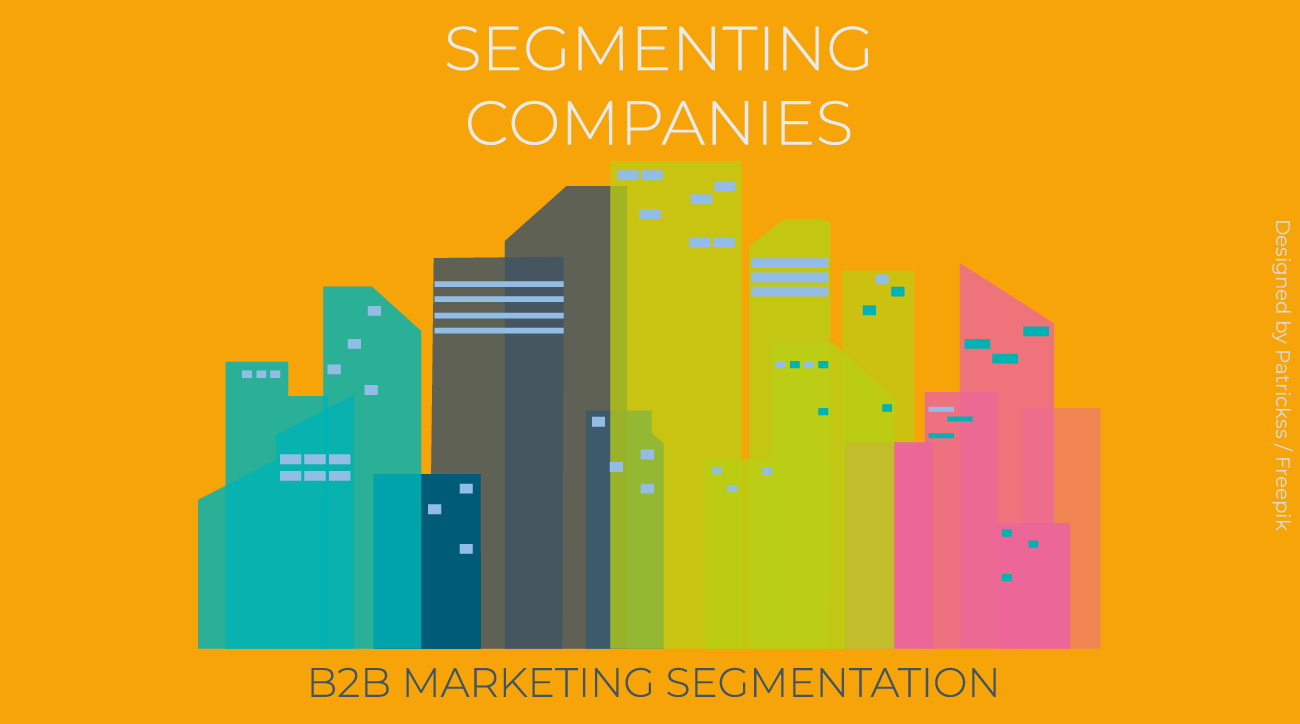
Segmentation of UK businesses An online search reveals a wealth of articles on marketing segmentation, yet there is a significant gap in information [...]
May 14, 2020