Understanding the relationship between Business Intelligence and Data Warehouse is essential for anyone involved in data analytics. With over two decades of experience in this field, we frequently receive questions about these concepts. For organizational leaders, recognizing how these components interact can significantly improve your ability to utilize data effectively. Business Intelligence depends on data obtained from a Data Warehouse to produce insights through reporting tools and dashboards, enabling predictive analytics and informed decision-making. The ETL (Extract, Transform, Load) processes, which consist of extracting, transforming, and loading data, are crucial in this ecosystem. By grasping the connection between Business Intelligence and Data Warehouse, you can enhance your data integration strategies and fully harness the capabilities of big data to boost business performance. This knowledge also fosters improved data governance and enhances your overall data visualization efforts, ultimately resulting in more efficient data management.should careBusiness Intelligence and Data Warehouses play a crucial role in analyzing user behaviors and patterns. While these concepts are interconnected, they fulfill distinct purposes. To clarify, we will define each term and explore their contributions to effective data analytics. Recognizing the differences between Business Intelligence and Data Warehouses can significantly enhance your data management strategies, ETL (Extract, Transform, Load) processes, and the effectiveness of reporting tools and dashboards. This knowledge ultimately leads to more actionable insights derived from big data, predictive analytics, and improved data governance. By leveraging these resources effectively, organizations can enhance their data integration and visualization capabilities, resulting in better-informed decision-making and improved business performance.
- Business Intelligence. Business Intelligence, commonly known as BI, encompasses a range of tools and techniques that empower organizations to evaluate their performance and make informed, data-driven decisions that promote growth. By leveraging data analytics, businesses can uncover new growth opportunities that may have previously been overlooked. BI provides critical insights across various operational areas, allowing you to identify the key factors that contribute to your business’s success. Additionally, implementing ETL (Extract, Transform, Load) processes enhances your data management capabilities, resulting in better reporting and predictive analytics. The main goal of Business Intelligence is to help organizations maximize their data, thereby improving decision-making and strategic planning. Understanding the differences between Business Intelligence and a Data Warehouse is essential for optimizing your data strategy and ensuring effective data governance. This knowledge can significantly boost your business performance by facilitating more efficient data integration and visualization, ultimately enhancing your ability to utilize big data effectively. Recognizing how BI tools interact with cloud data warehousing can further strengthen your data architecture and analytics capabilities, leading to improved data quality and insights.has experienced,is experiencing, andcould Gain valuable insights for the future by leveraging advanced dashboards and reporting tools that enhance your understanding of data analytics. By integrating Business Intelligence (BI) and Data Warehouse approaches, you can convert raw data into actionable insights, facilitating more informed decision-making. This transformation typically involves ETL (Extract, Transform, Load) processes to prepare data for thorough analysis. With the right BI tools, such as SQL for querying and data mining to identify patterns, you can harness the potential of big data and predictive analytics to propel your business forward. Additionally, utilizing data visualization techniques significantly improves your ability to interpret business metrics and trends, ensuring effective data governance and smooth data integration. Implementing these strategies can greatly enhance business performance and provide a clearer view of your data architecture, ultimately supporting your objectives in the field of Business Intelligence and Data Warehouse.
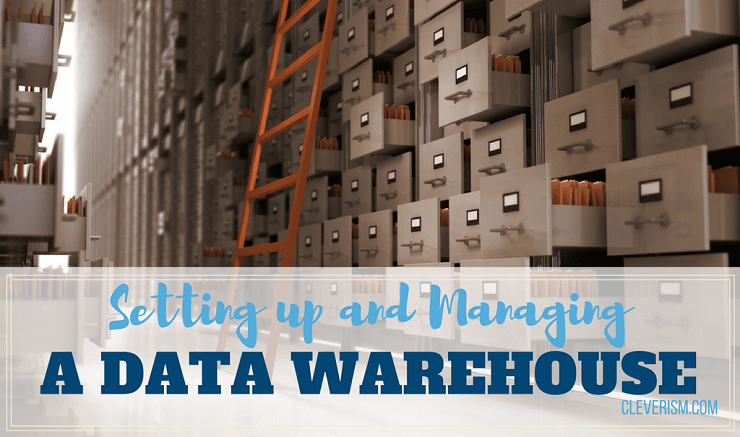
- Data Warehouse. A Data Warehouse (DW) serves as a central repository that consolidates data from multiple sources, facilitating effective data management. It is vital for Business Intelligence (BI), supplying the critical information organizations require for informed decision-making. You can think of a Data Warehouse as a robust storage solution that accommodates various types of data. Advanced methods, such as indexing, are utilized to swiftly locate and retrieve the necessary information. This data integration enhances a wide range of data analytics efforts, enabling organizations to utilize predictive analytics and refine their reporting tools and dashboards for improved data visualization. By adopting effective data governance practices, businesses can significantly enhance their overall business performance management. Understanding the differences between Business Intelligence and Data Warehouse is essential for future-proofing your BI strategy.
Business Intelligence and Data Warehousing are fundamental concepts in data analytics, yet many people, even those with some familiarity, often confuse them. Understanding the differences between Business Intelligence and a Data Warehouse is vital for effective data management and analysis. Business Intelligence encompasses the tools and processes that analyze data, enabling organizations to make informed decisions and improve business performance. In contrast, a Data Warehouse serves as a centralized repository that stores vast amounts of data from various sources. This data can be processed using ETL (Extract, Transform, Load) techniques and accessed through SQL for reporting and data visualization. By recognizing these distinctions, users can effectively utilize both Business Intelligence and Data Warehousing to enhance their predictive analytics capabilities and employ reporting tools and dashboards for deeper insights into big data. Additionally, this understanding fosters better data governance and integration strategies, ultimately leading to improved data quality and operational efficiency.workin data analysis!
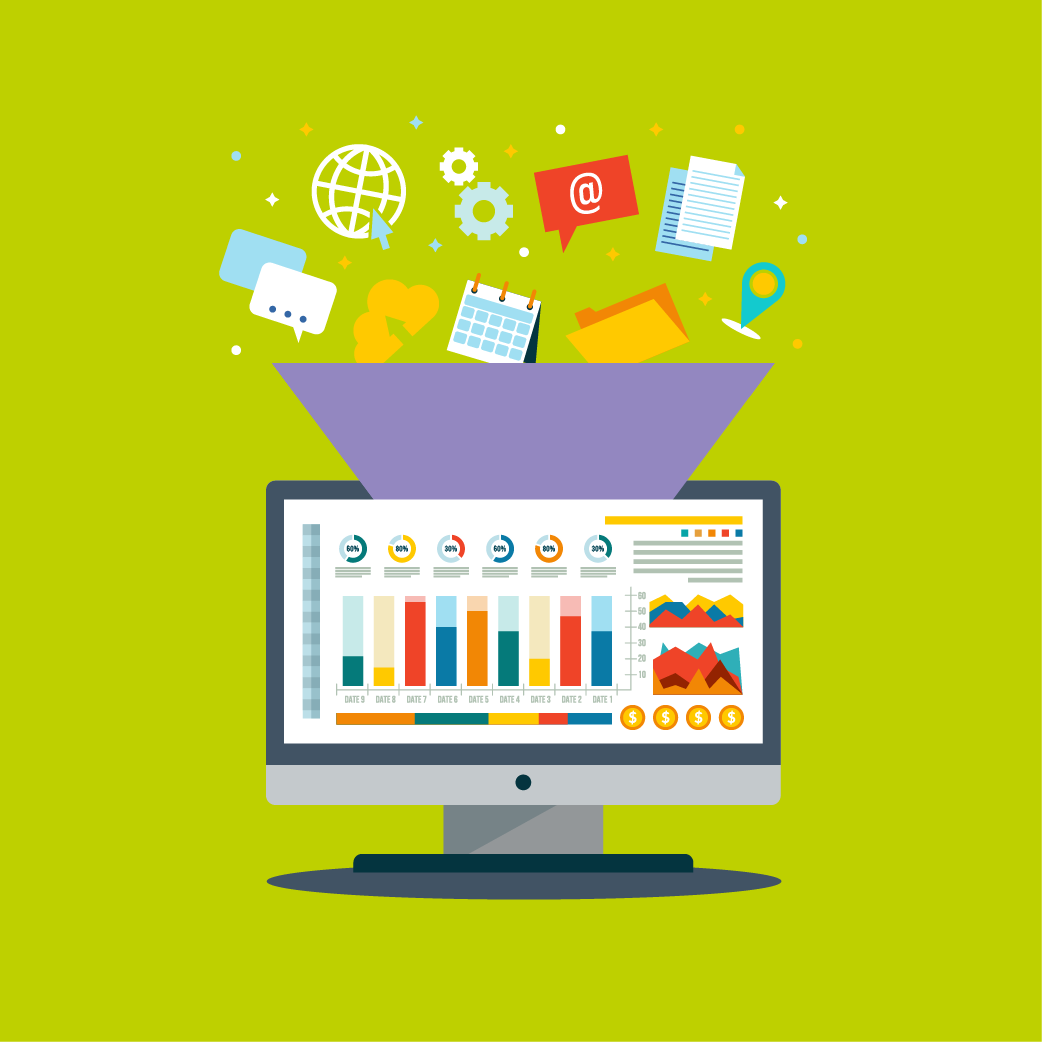
A Data Warehouse serves as a central hub for data, collecting information from various sources through ETL (Extract, Transform, Load) processes. Business Intelligence (BI) systems leverage this structured data for in-depth analysis and reporting. By utilizing data analytics, BI systems enable users to extract valuable insights using diverse reporting tools and dashboards. This efficient data integration supports advanced techniques such as predictive analytics and data mining, essential for making informed decisions in today’s big data landscape. Additionally, strong data governance is crucial for ensuring the integrity and security of data within the Business Intelligence and Data Warehouse framework.use Effectively utilizing data enables you to gather essential metrics, monitor business performance, and create valuable predictive analytics. Understanding the differences between Business Intelligence and Data Warehouse is crucial, as it clarifies these key concepts for those involved in data analytics and reporting tools. By sharing this blog, you can increase awareness of data integration and highlight the important role of ETL (Extract, Transform, Load) processes in converting raw data into actionable insights that enhance business intelligence. This knowledge is essential for anyone aiming to improve their data visualization capabilities and reinforce their data governance strategies. Grasping these components can significantly influence your organization’s ability to make informed decisions and achieve business success.
Unlimited subscription £49.99
Now only £35
For Limited Period
READY TO DIVE DEEPER?
One subscription, unlimited UK Company search and downloads.
Sign up to a simple membership plan that gives you unlimited access to predefined dashboards allowing for different analysis and views into critical sales and business intelligence.
Related Posts

February 19, 2024
Check Company Ownership insights with DataEco With recentnews of tighter legislation being passed through the houseMany individuals frequently seek information about company ownership [...]
February 19, 2024

September 6, 2021
Analyze a company's competitors using DataEco. So how do you rank? Over the past year, numerous companies have prioritized survival, frequently neglecting the significant external [...]
September 6, 2021
May 19, 2021
Companies House Check with DataEco So what is the importance of Companies House? Companies House serves as the official [...]
May 19, 2021

December 8, 2020
Ltd Company Check with DataEco So why do we have Limited companies and what is the difference? A ‘Ltd’ or ‘Limited’ company is [...]
December 8, 2020

November 30, 2020
To check a UK company name, it's essential to confirm that the name you are considering complies with the standards for UK business [...]
November 30, 2020
November 18, 2020
UK Company Search Performing a UK Company Search depends significantly on the tools available and how well the data is organized for easy [...]
November 18, 2020

November 16, 2020
B2B Data Providers UK B2B data providers in the UK have existed in various forms for many years. In the past, marketing teams [...]
November 16, 2020

November 12, 2020
UK Economy Bounces Back Recent observations show that the UK economy is progressing significantly towards recovery. This encouraging trend highlights a resurgence across [...]
November 12, 2020

October 29, 2020
UK Companies and Industries at Risk This year has presented significant challenges, leading to uncertainty regarding which UK companies are at risk of [...]
October 29, 2020
May 14, 2020
Segmentation of UK businesses An online search reveals a wealth of articles on marketing segmentation, yet there is a significant gap in information [...]
May 14, 2020